Social apostolate is the continuation of the ministry of Jesus; his reaching out to the poor,
the sick and the marginalized through miracles, assuring presence and challenging actions were
the sign as well as the reality of the imminent Kingdom of God as revealed in the Gospels. It
shall become a way of spirituality for us as required by our Constitutions: ‘God is in reality
experienced by men in the concreteness of their daily lives, their needs and aspirations, and
their actual fellowship as brothers and sisters, children of the same Father.’ Like Christ, we
too are sent into this real world to preach the good news to the poor, proclaim release to the
captives and liberty to the oppressed (Lk. 4:18). Hence, action for justice and participation in
the transformation of the world is a constitutive dimension of the preaching of the gospel.
As a welcoming community, we begin our social apostolate among our neighbours; for, we are
called to look into the concrete life situations of our fellowmen for a deeper personal
God-experience. So, we begin with an intensive and affectionate involvement in the
problem-ridden life of our neighbours. The concept of extended community that we have developed
includes all people in our neighbourhood, who are to be accepted and treated as part of our
community by way of developing Christian fellowship. Our involvement in these communities also
become catalysts of wider social development.
As Pope Benedict XVI said, there is no ordering of the society so just that it can eliminate the
need for a service of love (Deus Caritas Est, No. 28, b). So, our social apostolate begins with
charity in the first place manifested through our sincere response to the people’s immediate
needs in specific situations: feeding the hungry, clothing the naked, caring for and healing the
sick, visiting those in prison etc. Charity is all the more intensely manifested through our
services in the so-called frontier ministries. In all these, we also cooperate with other
agencies and the public service system; with our transparent operation and faithfulness to the
duty of witnessing to love, we give a Christian quality to civil agencies that will redound to
the effectiveness of charitable services.
The specific contribution of a religious community is to transform human relationships, personal
and structural, at all levels of the human society through the gospel values. Since various
forms of injustice and discrimination continue to exist in most parts of the world even today,
we have also to be participants in the overall struggle for justice and equality. Modern means
of mass communication have increased our ability to know almost instantly about the needs of
others, challenging us to share with their situation and difficulties. So, we are reminded in
our Constitutions that ‘action for justice and participation in the transformation of the world’
is a constitutive dimension of the preaching of the gospel (C.77a). Conscious of the unjust
social and economic conditions, we realize our obligation to work towards a radical reformation
of society. Like Christ we try to be among our fellow-men sharing in their joys and sorrows,
their aspirations and legitimate struggles for a human and decent life and conscientize them for
their well-being and for the effective securing of their rights and total liberation. In trying
to eradicate the social inequalities we endeavour to help others help themselves.
When we are called upon to undertake, for the sake of apostolate and the welfare of the people
socio-cultural, economic and such other activities, we keep in mind our basic objective in them,
namely, making the presence of the kingdom of God in those areas concretely felt.

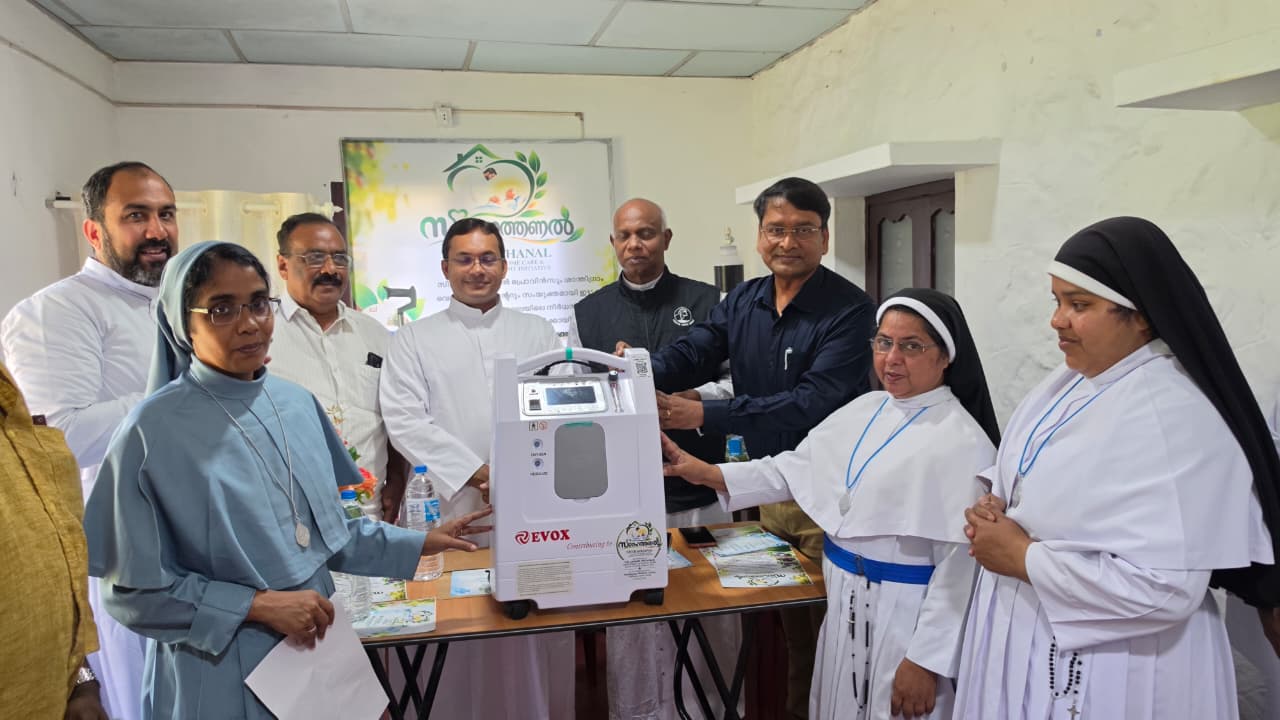
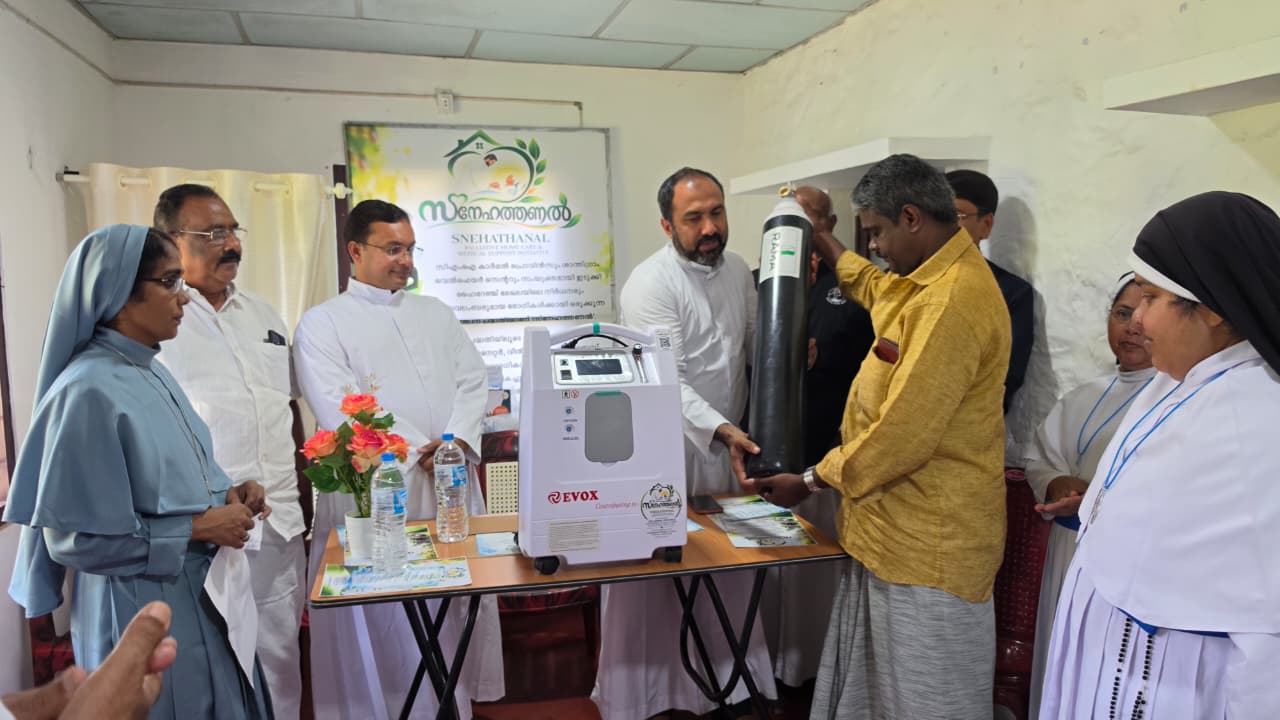
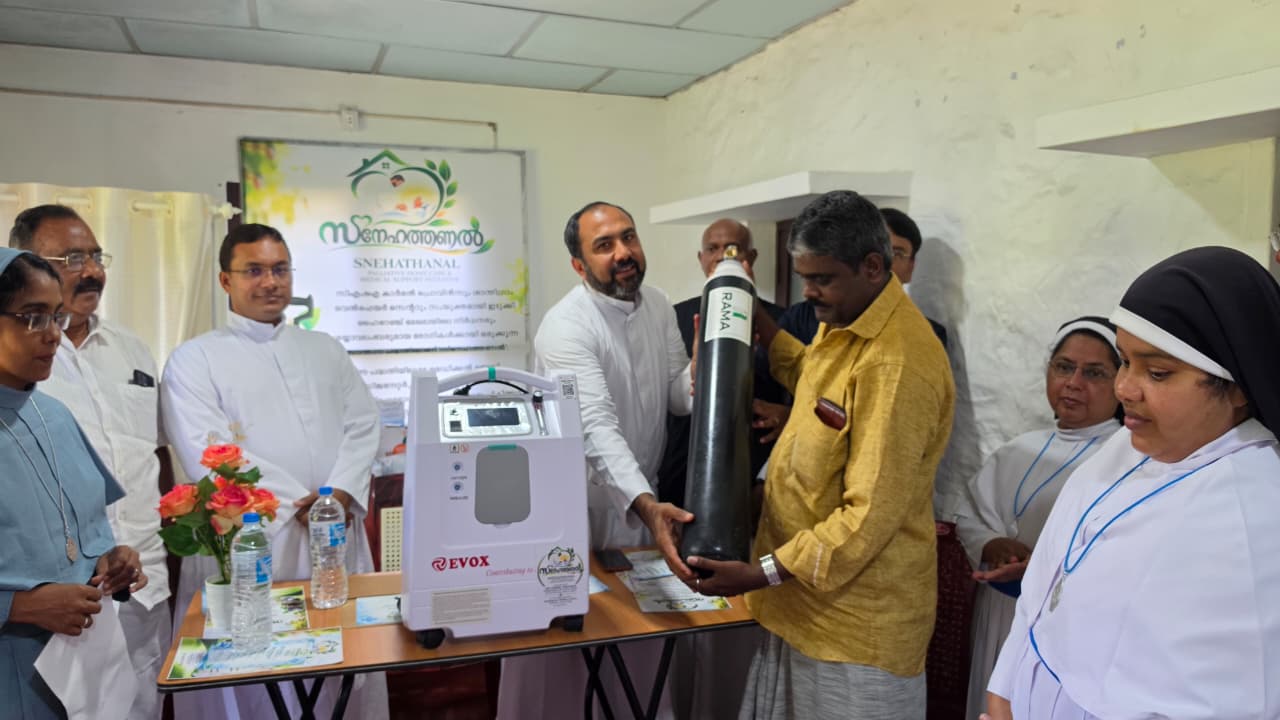
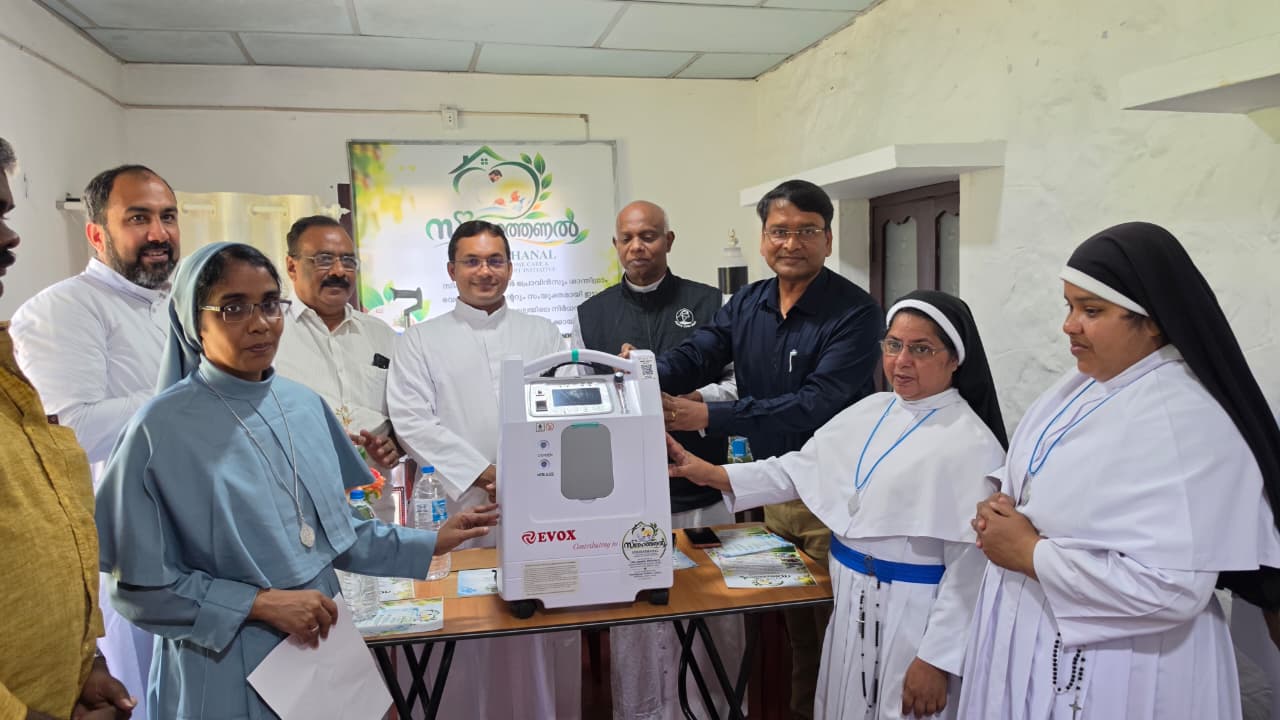
Social Apostolate
Councillor
Extending compassionate outreach, upholding human dignity, and fostering transformative service for the marginalized and vulnerable.
Learn More →